Welcome to Khalid Nehar Al Shamry Trading Est. |
[email protected]






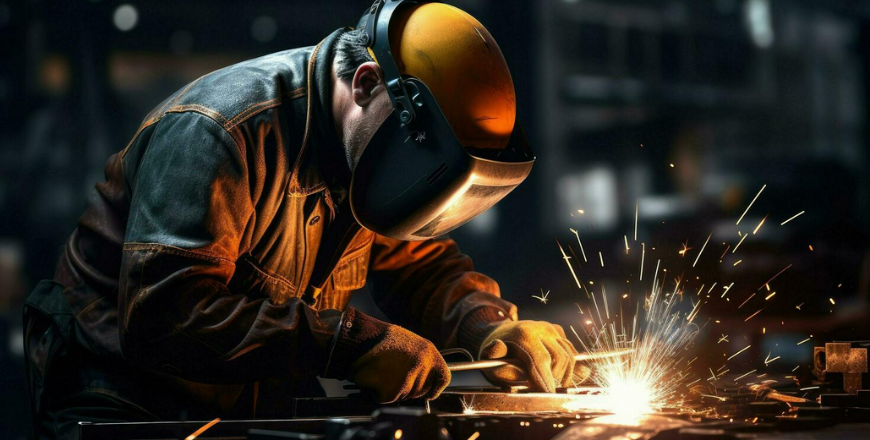
Welding is a high-risk industrial activity that requires strict adherence to safety regulations and standards. In Saudi Arabia, industrial sites such as oil & gas facilities, manufacturing plants, construction projects and fabrication workshops are governed by robust safety frameworks designed to protect workers, equipment and infrastructure. Understanding and complying with welding regulations and safety standards in Saudi industrial sites is essential for operational efficiency, legal compliance and workplace safety.
This article highlights the key welding safety regulations, standards and best practices that every industrial operator in Saudi Arabia should follow.
Saudi Arabia places strong emphasis on occupational health and safety, particularly in high-risk industries. Welding operations involve hazards such as extreme heat, electrical shock, toxic fumes, fire risks and flying sparks. Without proper controls, these risks can lead to severe injuries, equipment damage, or costly shutdowns.
Welding safety regulations are designed to:
Failure to comply can result in penalties, project delays and reputational damage.
Industrial welding operations in Saudi Arabia must comply with regulations issued by relevant authorities, including occupational safety frameworks aligned with international best practices. These regulations require employers to provide:
Employers are responsible for ensuring that all welding activities are carried out in accordance with approved safety policies.
Many Saudi industrial projects follow internationally recognized welding and safety standards. Commonly adopted standards include:
These standards define requirements for welding procedures, welder qualifications, equipment performance and safety controls. Compliance ensures consistent weld quality and worker protection.
Welding machines and accessories used in Saudi industrial sites must meet strict safety requirements. Key considerations include:
Faulty or non-compliant equipment significantly increases the risk of accidents and must be removed from service immediately.
PPE is a fundamental requirement for all welding operations. Saudi industrial safety standards mandate the use of appropriate protective gear, including:
PPE must be suitable for the working environment, well-maintained and replaced when damaged.
Fire prevention is a critical component of welding safety regulations in Saudi Arabia. Welding is classified as “hot work,” and strict controls must be implemented before starting any operation.
Key fire safety requirements include:
These measures help reduce the risk of fire incidents in industrial facilities.
Welding fumes contain hazardous gases and metal particles that can pose serious health risks. Saudi industrial safety guidelines require effective ventilation systems to control fume exposure.
Best practices include:
Proper fume control protects welders from long-term respiratory illnesses and improves overall workplace conditions.
Only trained and qualified personnel should perform welding tasks on industrial sites. Saudi industrial projects require welders to:
Continuous training ensures that welders remain aware of evolving safety standards and technologies.
Regular inspection and maintenance of welding equipment are mandatory in Saudi industrial environments. Safety audits help identify risks, ensure compliance and improve safety performance.
Routine checks should include:
Proactive maintenance reduces downtime and prevents accidents.
Compliance with welding regulations is easier when industrial sites work with trusted suppliers. Reliable suppliers provide certified welding equipment, consumables and safety products that meet regulatory requirements.
Kasweld supports Saudi industrial sites by supplying high-quality welding tools, consumables, and safety solutions designed for compliance, durability and performance.
Adhering to welding regulations and safety standards in Saudi industrial sites is essential for protecting workers, ensuring legal compliance and maintaining operational excellence. From PPE and fire prevention to equipment certification and training, every aspect of welding safety must be carefully managed.
By following established regulations and partnering with trusted suppliers, industrial facilities can create safer working environments while achieving high-quality welding results.