Welcome to Khalid Nehar Al Shamry Trading Est. |
[email protected]






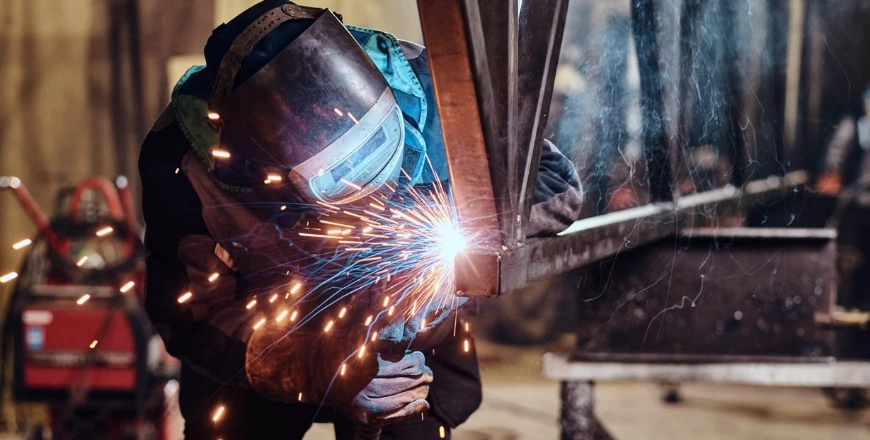
Welding is widely used in industries such as construction, manufacturing, oil and gas, metal fabrication and industrial maintenance. While welding is an essential process, it also involves several risks such as heat, sparks, fumes and intense light. Without proper protection, these hazards can cause serious injuries to workers.
This is why welding safety equipment plays a very important role in industrial workplaces. In Saudi Arabia, safety standards in construction and industrial projects are very strict. Companies must ensure that workers use proper protective equipment to maintain a safe work environment.
This guide explains the essential welding safety equipment used in industrial sites across Saudi Arabia.
Welding produces high temperatures, molten metal, sparks, and strong ultraviolet light. These factors can create several risks, including burns, eye injuries, breathing problems and fire hazards.
Welding safety equipment helps protect workers from these dangers. It reduces the chances of accidents and allows welders to work confidently and efficiently.
Industrial projects in Saudi Arabia, especially in sectors like oil and gas, infrastructure and heavy fabrication, require strict safety practices. Using the correct protective equipment helps companies comply with safety regulations and maintain safe workplaces.
One of the most important safety tools for welders is the welding helmet. Welding produces extremely bright light and harmful radiation that can damage the eyes and skin.
Welding helmets protect the face and eyes from sparks, heat and intense light. Modern helmets often include auto-darkening lenses that adjust automatically during welding. This feature allows welders to see clearly while maintaining protection.
Proper face protection helps prevent eye injuries such as arc flash and protects the skin from burns.
Hands are constantly exposed to heat, sparks, and sharp metal edges during welding operations. Welding gloves are designed to provide strong protection while allowing workers to handle tools safely.
Good welding gloves are made from heat-resistant materials such as leather. They protect the hands from burns, electrical shocks and metal splatter.
Comfortable and durable gloves also improve grip and control, which helps welders perform their tasks more accurately.
Welding generates sparks and molten metal that can easily damage regular clothing. Protective welding jackets and clothing help shield the body from these hazards.
Welding jackets are typically made from flame-resistant materials. They protect the arms, chest, and upper body from sparks and heat.
Long sleeves, flame-resistant aprons, and protective pants are also commonly used in welding environments. Wearing proper clothing reduces the risk of burns and injuries.
Welding produces fumes and gases that may be harmful when inhaled. Long-term exposure to welding fumes can lead to respiratory problems and other health issues.
Respiratory protection equipment helps workers breathe safely in welding environments. Depending on the work environment, this may include masks, respirators, or ventilation systems.
Proper ventilation and respiratory protection are especially important in confined spaces or enclosed workshops.
Fire hazards are common in welding operations because sparks can easily ignite nearby materials. Fire safety equipment is essential for preventing accidents.
Fire blankets are commonly used to protect surrounding areas from sparks and heat. They are made from fire-resistant materials and can quickly control small fires.
Industrial sites should also have fire extinguishers available near welding areas. Quick access to fire safety equipment helps prevent small incidents from becoming major accidents.
Despite safety precautions, accidents can sometimes occur in welding environments. Emergency equipment such as eye wash stations is important for handling unexpected situations.
Eye wash stations allow workers to quickly rinse their eyes if they are exposed to dust, sparks, or chemicals. Immediate cleaning can help prevent serious eye injuries.
Industrial workplaces should also provide first aid kits and emergency response plans to handle injuries quickly.
In many industrial projects, welding work is performed at heights such as construction sites, pipelines, or steel structures.
Safety harnesses and fall protection equipment are essential in these situations. They help prevent falls and protect workers working on elevated platforms.
Proper fall protection systems improve worker safety and reduce the risk of serious injuries.
Selecting high-quality welding safety equipment is very important for industrial operations. Reliable safety tools provide better protection and long-lasting performance.
Companies should always choose equipment that meets industrial safety standards. Durable and well-designed safety products help protect workers while improving workplace efficiency.
Using trusted safety equipment suppliers also helps ensure consistent product quality and availability.
Welding safety equipment is essential for protecting workers in industrial environments. From welding helmets and gloves to fire blankets and respiratory protection, every piece of safety gear plays a crucial role in preventing accidents.
Industries across Saudi Arabia rely heavily on welding for construction, fabrication and infrastructure projects. Maintaining proper safety standards helps companies create safe workplaces and improve productivity.
By investing in reliable welding safety equipment and following proper safety practices, businesses can protect their workers and support successful industrial operations.