Welcome to Khalid Nehar Al Shamry Trading Est. |
[email protected]






Welding equipment is a critical investment for workshops, fabrication units and industrial sites. Proper maintenance not only ensures consistent welding performance but also extends the lifespan of machines, tools and accessories. In demanding working environments especially in industrial sectors neglecting equipment care can lead to costly breakdowns, safety hazards and reduced productivity.
This guide explains how to maintain welding equipment for long-term performance and reliability, helping businesses maximize their return on investment while maintaining safe and efficient operations.
Welding equipment operates under high temperatures, electrical loads and harsh conditions. Without regular maintenance, components can wear out quickly, leading to:
Routine maintenance helps detect issues early, ensures compliance with safety standards and improves overall welding efficiency.
One of the most effective maintenance practices is consistent inspection. Welding equipment should be checked before, during and after use.
Key inspection areas include:
Identifying and fixing small problems early prevents major failures and enhances equipment longevity.
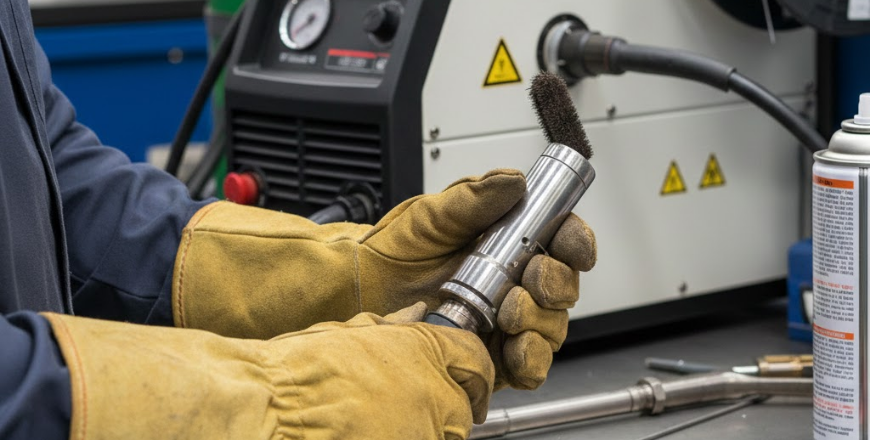
Dust, dirt and metal particles are common in welding environments and can severely affect equipment performance. Accumulated dust can block cooling vents, cause overheating and damage internal components.
Best practices include:
In dusty environments, more frequent cleaning may be required.
Overheating is one of the main causes of welding machine failure. Ensuring proper cooling is essential for maintaining performance.
Tips for effective cooling:
Proper ventilation extends component life and prevents thermal damage.
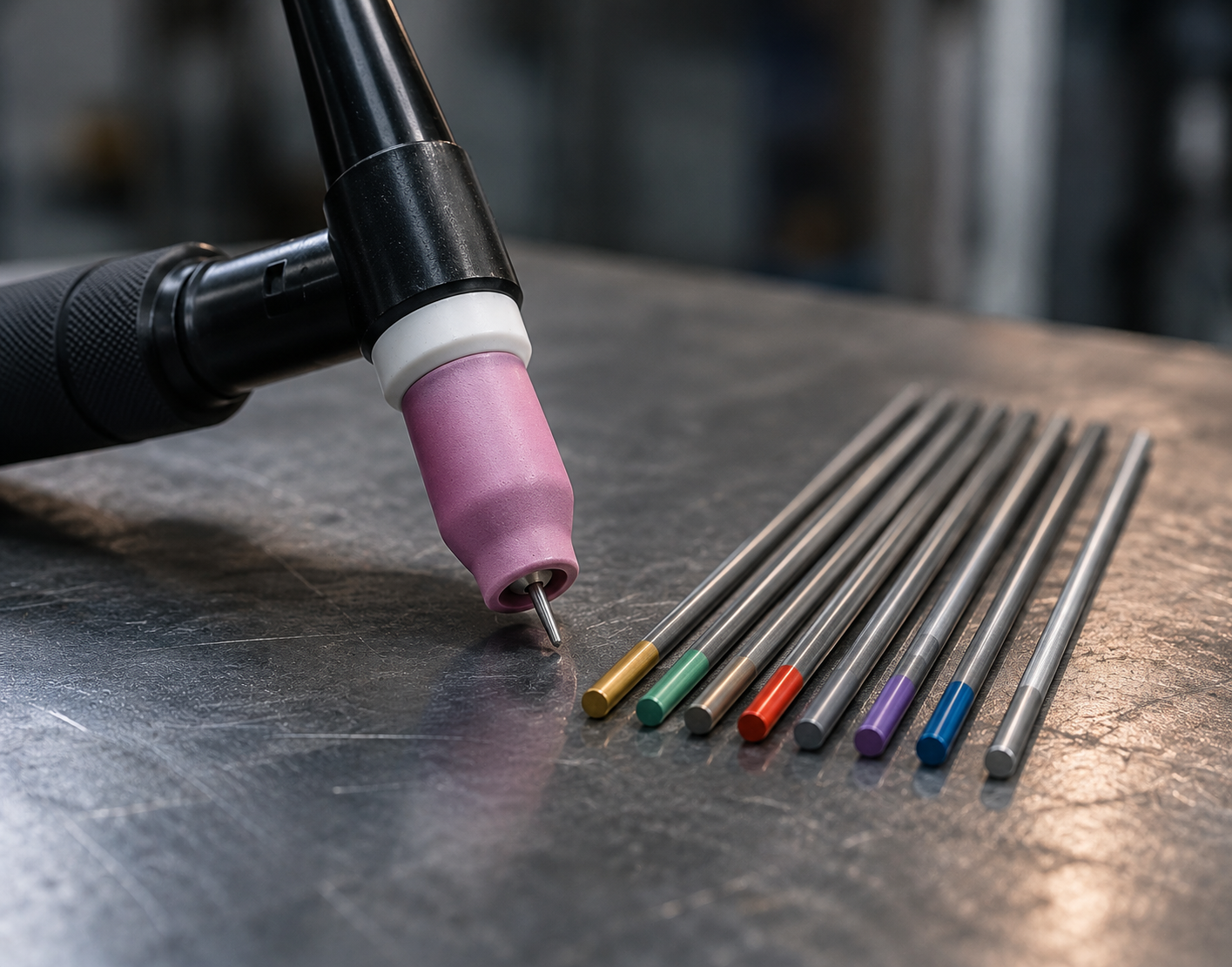
Consumable components such as contact tips, nozzles, electrodes, and filler wires wear out over time. Using worn consumables can result in unstable arcs, poor penetration and weld defects.
Maintenance tips include:
Well-maintained consumables directly contribute to consistent weld quality.
Electrical issues can compromise both performance and safety. Loose or damaged connections can cause voltage drops, erratic arcs, or equipment failure.
Ensure:
Routine electrical checks improve reliability and reduce safety risks.
For gas-shielded welding processes, gas systems require special attention. Leaks or contamination can negatively affect weld quality and operator safety.
Maintenance steps include:
A well-maintained gas system ensures stable shielding and high-quality welds.
Proper storage plays a significant role in equipment longevity. Exposure to moisture, extreme temperatures, or dust can shorten the life of welding tools.
Storage best practices:
Correct storage minimizes environmental damage and wear.
Even the best maintenance plan can fail if operators are not trained properly. Welders should understand how to handle equipment responsibly and identify early warning signs of problems.
Training should include:
Well-trained operators help extend equipment life and maintain performance standards.
Using certified welding equipment and genuine spare parts ensures compatibility, safety and durability. Non-certified components may cause premature failure or void warranties.
Working with a trusted supplier guarantees access to:
Maintaining welding equipment is essential for achieving long-term performance, safety and cost efficiency. Regular inspections, proper cleaning, timely replacement of consumables and correct storage significantly extend equipment lifespan. By implementing a structured maintenance routine and partnering with reliable suppliers, businesses can ensure consistent welding performance and reduced downtime.
Proper maintenance is not just a task it is a strategy for operational excellence.